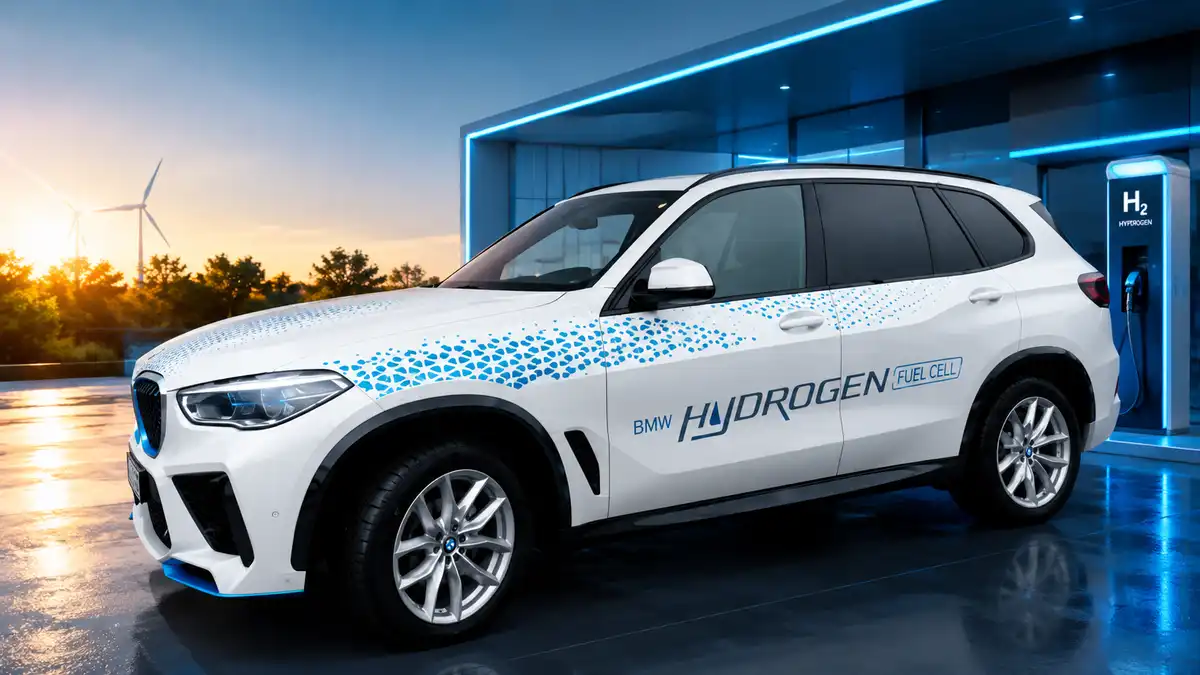
Amid growing complaints over ethanol-blended petrol hurting mileage and engine performance, hydrogen is emerging as a serious contender to power the next generation of cars in India. Reports suggest hydrogen-powered vehicles can travel up to 1,500 kilometres on a single refuel, a range that easily outstrips both petrol and diesel cars, while emitting nothing but water vapour from the tailpipe.
Why Hydrogen Is Being Talked About Now
The buzz around hydrogen fuel comes at a time when many petrol car owners are voicing frustration over the government’s ethanol-blending programme. Several vehicle owners have recently reported a sharp drop in mileage after refuelling with E20 (20% ethanol-blended) petrol, with some claiming their cars’ fuel efficiency fell from around 17 km/litre to as low as 5 km/litre within days. Automakers, including Toyota, have also cautioned that using E20 fuel in cars originally designed for E10 could void warranties, adding to the confusion among consumers at fuel pumps across the country.
Against this backdrop, hydrogen fuel cell technology is being positioned as a cleaner, more reliable alternative that avoids these compatibility issues altogether while offering a significantly longer driving range.
इलेक्ट्रिक व्हीकल और ऑटोमोबाइल से जुड़ी नई खबरें के साथ हाइड्रोजन कारों की नई टेक्नोलॉजी और स्पोर्ट्स की ताजा खबरें भी यहां पढ़ें।
How Hydrogen-Powered Cars Work
Hydrogen fuel cell electric vehicles, or FCEVs, generate electricity on board by combining hydrogen stored in a high-pressure tank with oxygen from the air. This electricity powers an electric motor, similar to how a battery-EV works, except the “fuel” is hydrogen gas rather than stored charge. The only by-product released from the tailpipe is water, making these vehicles genuinely zero-emission at the point of use. Refuelling a hydrogen tank takes only a few minutes, comparable to filling up a petrol tank, unlike battery EVs that can take hours to charge.
Cost Comparison: How Hydrogen Stacks Up Against Petrol, Diesel and CNG
India’s push for green hydrogen has already started to make the fuel more affordable. Renewable Energy Minister Pralhad Joshi announced earlier this year that the country had set a new global benchmark for green hydrogen pricing, bringing costs down to around ₹279 per kilogram, with a target of pushing it below ₹200 per kilogram by 2030.
At current prices, travelling 1,000 km would cost roughly ₹2,790 in hydrogen, compared to about ₹5,000 for petrol, ₹4,600 for diesel, and ₹2,812 for CNG over the same distance. As green hydrogen production scales up and prices fall further, the cost advantage over conventional fuels is expected to widen considerably, making hydrogen an increasingly attractive option for both private car owners and commercial fleets.
The 1,500 KM Range Explained
The claim of a 1,500 km range on a single refill stands out even against existing hydrogen models available globally. For comparison, the Toyota Mirai, one of the few hydrogen fuel cell cars already being tested on roads in the Gulf region, offers a range of around 500 km per refuel. A 1,500 km range would nearly triple that figure, positioning hydrogen as a genuine long-distance alternative to petrol and diesel vehicles, especially for highway travel and commercial logistics where frequent refuelling stops are a major drawback of battery EVs.
Challenges That Remain
Despite the promise, hydrogen-powered vehicles still face significant hurdles before they can go mainstream in India. The country currently has very few hydrogen refuelling stations, and building out this infrastructure at scale will require substantial investment from both the government and private players. Producing, storing, and transporting hydrogen safely also remains technically demanding and costly compared to setting up a standard petrol pump or EV charging point.
Even so, with the government actively working to bring down green hydrogen costs and growing consumer frustration over ethanol-blended petrol, hydrogen fuel cell technology is increasingly being viewed as a serious long-term bet for India’s automotive future, one that could eventually offer drivers both a cleaner and a far longer-range option than what’s available today.